Ever watched a tiny car zip through a dirt track at 60 mph, your heart thumping like it’s piloting a real F1 machine? You’re not alone—and you’re also not late to the party. RC (radio-controlled) car racing has exploded past backyard hobby status into a global competitive sport with pro leagues, custom builds, and serious engineering under the hood.
In this post, we’ll break down exactly what RC car racing is—not just the “remote control toy” version most people assume—but the adrenaline-fueled, precision-driven motorsport it actually is. You’ll learn who races them (hint: it’s not just kids), how competitions work, why electric vs. nitro matters more than you think, and whether you should even consider joining the pit crew of this niche-but-thriving community. Buckle up—this isn’t your cousin’s birthday gift from Toys “R” Us.
Table of Contents
- Key Takeaways
- What Is RC Car Racing, Really?
- How to Get Started in RC Car Racing
- Best Practices for New Racers
- Real-World RC Racing Success Stories
- RC Car Racing FAQs
- Conclusion
Key Takeaways
- RC car racing is a legitimate competitive motorsport governed by organizations like ROAR (Remotely Operated Auto Racers) and IFMAR (International Federation of Model Auto Racing).
- Vehicles range from beginner-friendly brushed-electric buggies (<$200) to 1/8-scale nitro monsters hitting 70+ mph ($1,000+).
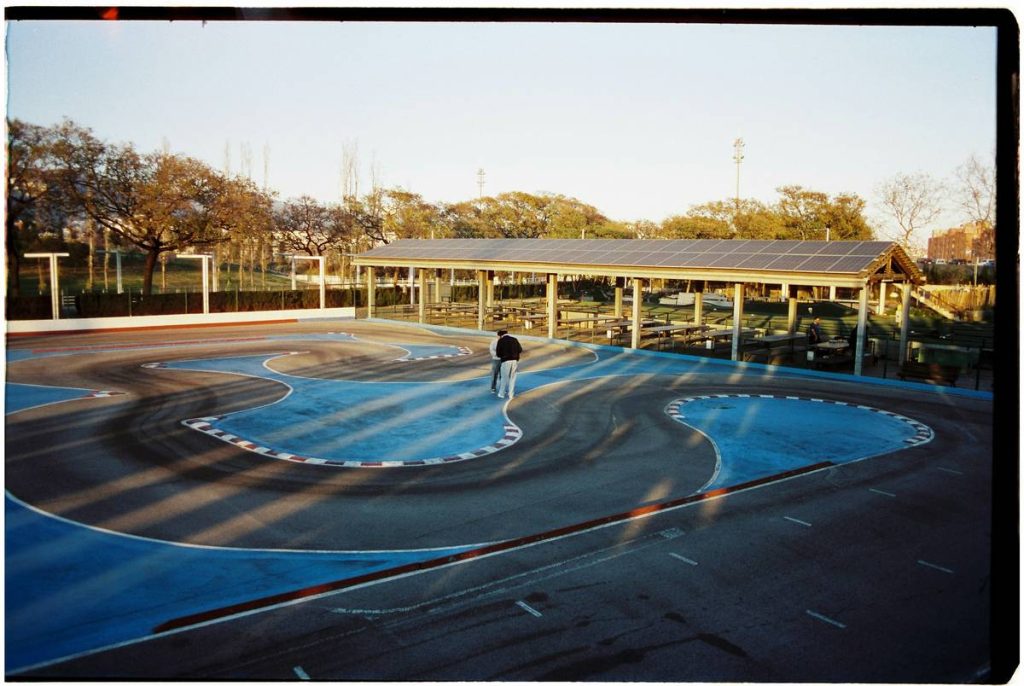
- Races happen on specialized tracks—clay, carpet, asphalt, or dirt—with strict class divisions based on motor type, battery, and scale.
- Success requires mechanical know-how, driving finesse, and race strategy—not just a good trigger finger.
- You don’t need a garage full of tools to start… but you will need patience (and maybe a spare servo or three).
What Is RC Car Racing, Really?
Let’s kill the myth first: RC car racing isn’t about buzzing a plastic Jeep around your driveway while your dog chases it. Real RC racing is a precision motorsport where drivers compete on marked circuits using scale-accurate vehicles built to exacting specifications.
I remember my first sanctioned race at the San Diego R/C Speedway—I showed up with a modified toy-grade truck from Amazon, thinking I was hot stuff. Within 30 seconds, a 12-year-old lapped me in a 1/10-scale touring car running LiPo batteries and a brushless motor. My ego took more damage than my chassis. Lesson learned: this sport runs on expertise, not guesswork.
According to ROAR, North America’s official sanctioning body since 1966, competitive RC racing adheres to strict rules covering everything from tire compound limits to radio frequencies. Internationally, IFMAR governs World Championships across four disciplines: On-Road Touring, Off-Road Buggy, Off-Road Truck, and Rally.
The cars themselves? Think miniature marvels of engineering:
- Electric:** Brushless motors (540-size or 550) powered by LiPo or NiMH batteries; instant torque, minimal maintenance.
- Nitro:** Glow-engine powered by methanol-based fuel; loud, smelly, and gloriously analog—top speeds exceed 70 mph.
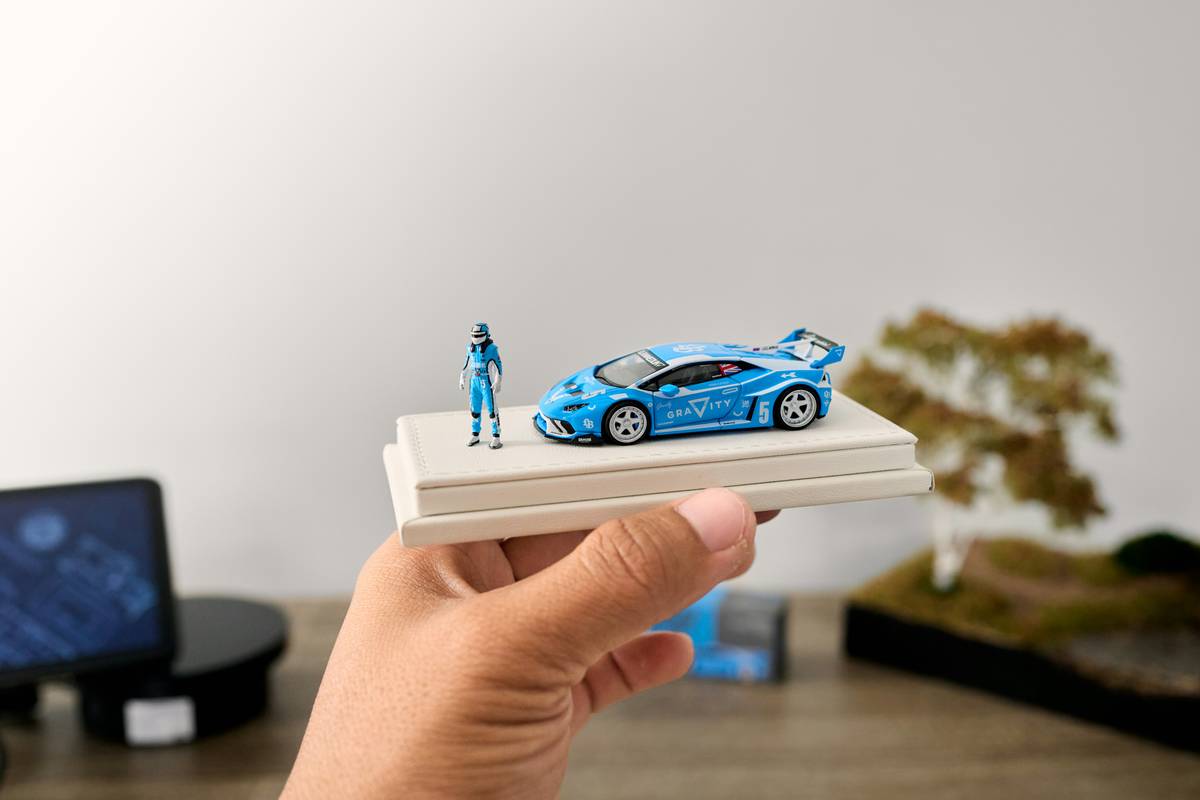
- Scale:** Ranges from 1/18 (mini) to 1/5 (life-sized enough to scare your neighbor’s cat).
Optimist You: “So it’s like real racing, but smaller!”
Grumpy You: “Only if you’ve never tried tuning suspension geometry at 2 a.m. before regionals. Pass the hex drivers.”
How to Get Started in RC Car Racing
Step 1: Pick Your Poison—Electric or Nitro?
If you value quiet operation, lower cost, and easier maintenance, go electric. Most beginners start with a read-to-run (RTR) 1/10-scale buggy like the Traxxas Bandit or Team Associated SC10. Nitro offers raw sensory thrills (that engine whine! that smell!) but demands fuel mixing, glow plug management, and frequent rebuilds. Not for the faint of wrench.
Step 2: Find a Local Track
Search ROAR’s affiliate track directory. Visit during open practice—you’ll meet seasoned racers happy to demo cars (many clubs loan beginner rigs). Pro tip: Watch how veterans adjust camber or tweak throttle curves. It’s free education.
Step 3: Gear Up—Smartly
Don’t blow $800 on Day 1. Essential starter kit:
- RTR electric buggy/truck (~$250)
- 2x 7.4V LiPo batteries + compatible charger
- Basic tool set (hex drivers, shock pliers)
- Race bag (because loose parts vanish like socks in a dryer)
Step 4: Learn the Lingo (and Rules)
You’ll hear terms like “droop,” “antisquat,” and “roll center.” Don’t panic—start with ROAR’s rulebook. Class legality affects motor turns (e.g., “17.5T” for spec racing), so verify before buying mods.
Best Practices for New Racers
- Tune for grip, not speed: Slower lap times with consistent cornering beat erratic sprints every time.
- Break in motors properly: Run brushed motors at low voltage for 15 mins to seat brushes—skip this, and you’ll fry windings.
- Log your setups: Use a notebook or app like Set-Up Master to record shock oil viscosity, ride height, etc.
- Charge safely: Never leave LiPos unattended while charging—they can combust if punctured or overcharged.
- Ask questions: The RC community is fiercely supportive. Seriously, no dumb questions—only dumb crashes (which we’ve all had).
Terrible Tip Disclaimer: “Just glue your tires for more grip!” Nope. Gluing tires ruins rubber compounds, violates most class rules, and makes your car handle like a shopping cart on ice. Don’t be that guy.
Real-World RC Racing Success Stories
Take Jared Tebo, 4x IFMAR World Champion. He started racing at age 10 with a $150 HobbyZone buggy. By 16, he’d signed his first pro contract. His secret? Obsessive data logging and weekly tire testing on different surfaces. (Source: RC Driver Magazine, 2022 interview.)
On the grassroots level, the Phoenix RC Raceway saw a 40% membership surge post-pandemic as remote workers sought analog hobbies. Their “Newbie Nights” program reduced dropout rates by pairing rookies with mentors—a model now adopted by 60+ ROAR tracks nationwide.
RC Car Racing FAQs
Is RC car racing expensive?
Entry-level electric setups start at ~$200. Competitive racing can cost $1,000–$2,500/year (including entry fees, tires, repairs). But it’s cheaper than go-karts—or therapy for crashing your actual car.
Do I need a license to race?
No government license, but sanctioned events require ROAR/IFMAR membership (~$40/year) for insurance and rule compliance.
How fast do RC race cars go?
Spec-class electric buggies: 35–45 mph. Modified nitro trucks: 60–70+ mph. The world record? 202.5 mph (achieved by Nic Case in 2014—but that’s a jet-powered freak, not a race car).
Can kids compete?
Absolutely! ROAR has youth divisions starting at age 8. Many top pros began as kids—their hand-eye coordination is terrifyingly good.
Conclusion
So, what is RC car racing? It’s a blend of engineering obsession, split-second driving reflexes, and community camaraderie—all wrapped in a 2-pound chassis. Whether you dream of podium finishes or just want a weekend escape from screens, this sport rewards curiosity, patience, and a willingness to get dirty (literally).
Start small. Ask questions. Embrace the crashes—they’re tuition. And remember: every world champion once fried their first ESC because they plugged in the battery backward. You’ve got this.
Like a Tamagotchi, your RC skills need daily care—and unlike your 2003 Tamagotchi, this one won’t die if you forget to feed it. Probably.